6 Best Red Dot for SIG Sauer P226 in 2026: Mounting & Compatibility
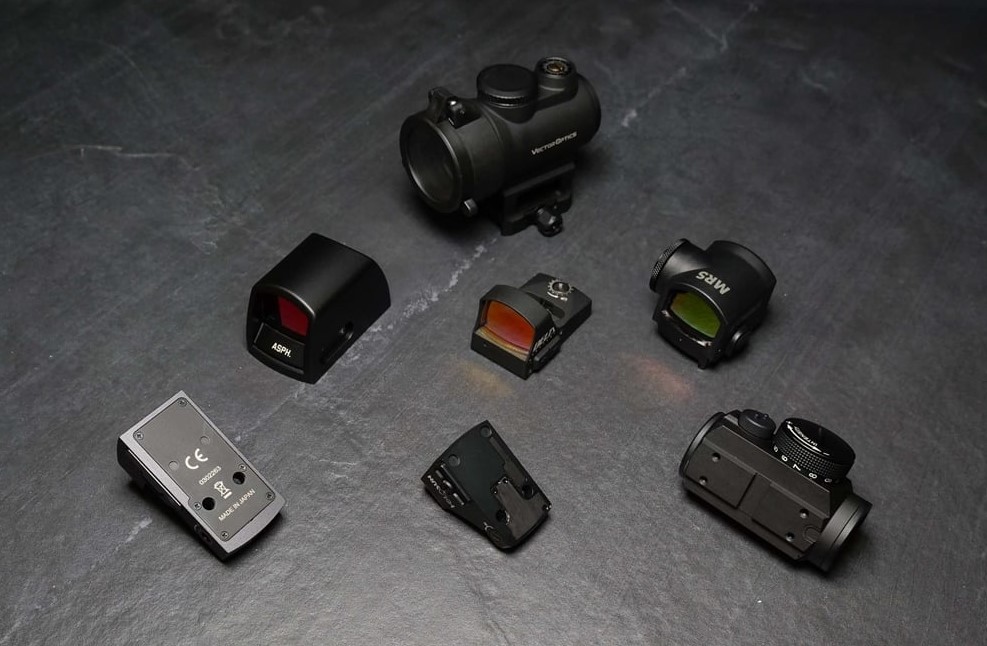
The SIG Sauer P226 is one of those pistols that rewards a good optic. It has enough slide mass to track smoothly, enough accuracy to justify a crisp aiming point, and enough aftermarket support that mounting a red dot is realistic even if your P226 did not come optic-ready.
For this guide, I focused on red dots I would actually consider for a P226 in 2026: duty-grade enclosed options, proven open-emitter sights, competition-friendly windows, and SIG-native optics that make mounting simpler on compatible slides. My main concern was not just brightness or battery life, but whether the optic makes sense on a full-size metal-frame pistol.
Quick Summary
My strongest overall pick is the Sig Sauer Romeo-X Pro because it fits the P226 concept so well: low deck height, strong housing, clean reticle, and excellent compatibility with SIG optic-ready setups. If I wanted maximum ruggedness, I would lean toward the Trijicon RMR Type 2. For range and competition use, the Leupold Deltapoint Pro and Sig Sauer Romeo2 both stand out. The HOLOSUN 507C-X2 is the best value pick, while the HOLOSUN 509T is the enclosed-emitter option I would choose for hard use in bad weather.
Top Product List
Sig Sauer Romeo-X Pro — Best for Overall P226 Compatibility
Trijicon RMR Type 2 — Best for Duty and Hard Use
HOLOSUN 507C-X2 — Best for Value and Features
HOLOSUN 509T — Best Enclosed Emitter Option
Leupold Deltapoint Pro — Best for Big Window Shooting
Sig Sauer Romeo2 — Best Premium SIG Option
6 Best Red Dot for SIG Sauer P226 in 2026: Mounting & Compatibility
Sig Sauer Romeo-X Pro
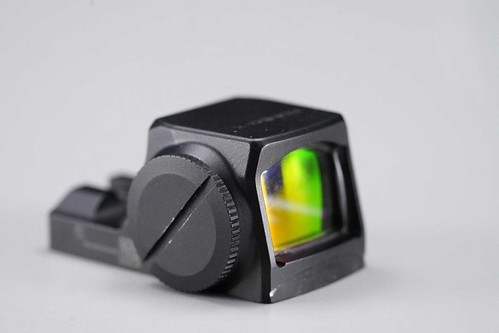
The Romeo-X Pro feels like the most natural modern red dot for a P226, especially if you are working with a SIG optic-ready slide. I like it because it keeps the sight picture low and clean without making the pistol feel top-heavy.
Footprint: DeltaPoint Pro / SIG Pro-style pattern
Reticle: Circle-dot style system
Housing: Rugged open-emitter design
Best use: Carry, duty, home defense, range
Battery access: Side-loading style design
Pros
Excellent fit for SIG pistols
Low, natural presentation
Clear reticle options
Strong housing for daily use
Cons
Not as sealed as an enclosed emitter
Best compatibility depends on your exact P226 slide cut
My personal experience with the Romeo-X Pro is that it presents quickly from the holster. On a full-size pistol like the P226, the window size feels balanced, and I do not feel like I am hunting for the dot during fast strings. The reticle is also useful for newer dot shooters because the larger circle helps pull my eye back to center.
Online customer feedback is generally positive around the Romeo-X Pro’s build quality, reticle clarity, and SIG pistol fit. The most common concern I see is that buyers need to confirm their exact slide cut before ordering.
For mounting, the Romeo-X Pro can mount directly on many compatible SIG Pro/DPP-pattern optic-ready slides. On a standard non-optic P226, you will need the slide milled or you will need a rear-sight dovetail adapter plate. I prefer a milled slide or factory optic-ready slide over a dovetail adapter.
➤➤➤ Click Here to Check Price on Amazon
➤➤➤ Click Here to Check Price on OpticsPlanet
➤➤➤ Click Here to Check Price on EuroOptic
Trijicon RMR Type 2
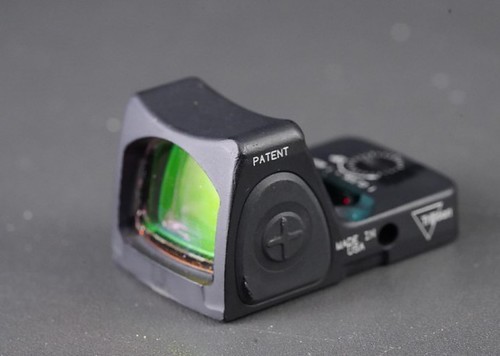
The Trijicon RMR Type 2 is my hard-use pick for the P226. It is not the newest-looking optic, but it has the reputation, durability, and compact profile that make sense on a serious defensive pistol.
Footprint: Trijicon RMR
Reticle: Red dot
Housing: Forged-style rugged open-emitter body
Best use: Duty, carry, training, defensive use
Mounting style: Plate or milled RMR cut
Pros
Outstanding durability
Huge aftermarket plate support
Compact and proven design
Good choice for duty holsters
Cons
Window is smaller than newer competition optics
Battery changes may require removing the optic
My personal experience with the RMR Type 2 is that it feels nearly bombproof. On the P226, I like how compact it is because it does not overpower the slide. The smaller window takes some practice, but once my draw is consistent, the dot is right where I expect it.
Customer feedback usually praises the RMR Type 2 for reliability, ruggedness, and long-term trust. Complaints tend to focus on price and the older battery-access layout.
For mounting, the RMR Type 2 does not directly mount to most SIG DPP/Pro-cut P226 slides without the correct adapter plate. If your P226 slide is milled specifically for the RMR footprint, it can mount directly. Otherwise, expect to use a quality RMR adapter plate.
➤➤➤ Click Here to Check Price on Amazon
➤➤➤ Click Here to Check Price on OpticsPlanet
➤➤➤ Click Here to Check Price on EuroOptic
HOLOSUN 507C-X2
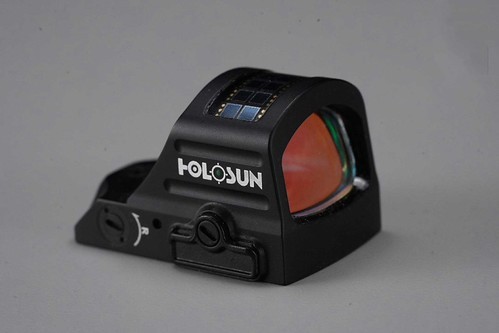
The HOLOSUN 507C-X2 is the value king for a P226 because it gives me multiple reticle options, solar backup-style functionality, and a proven footprint without jumping into premium pricing.
Footprint: RMR-style
Reticle: Multi-reticle system
Housing: Open-emitter aluminum body
Best use: Range, home defense, general-purpose shooting
Battery access: Side tray design
Pros
Excellent features for the money
Multi-reticle system is useful
Side battery tray is convenient
Strong aftermarket plate support
Cons
Requires the right adapter on many SIG-cut slides
Open emitter can collect lint or debris
My personal experience with the 507C-X2 on full-size pistols has been very positive. On a P226, I especially like the circle-dot reticle for fast close-range shooting. The dot-only mode is cleaner for accuracy work, while the larger reticle helps when shooting on the move.
Online customer feedback commonly highlights battery life, reticle flexibility, and overall value. Some users mention that the buttons and settings take a little learning at first.
For mounting, the 507C-X2 uses an RMR-style footprint. It will need an RMR adapter plate on many optic-ready P226 slides unless the slide is milled for RMR. On a non-optic P226, I would choose a proper slide milling job over a rear dovetail mount.
➤➤➤ Click Here to Check Price on Amazon
➤➤➤ Click Here to Check Price on OpticsPlanet
➤➤➤ Click Here to Check Price on EuroOptic
HOLOSUN 509T
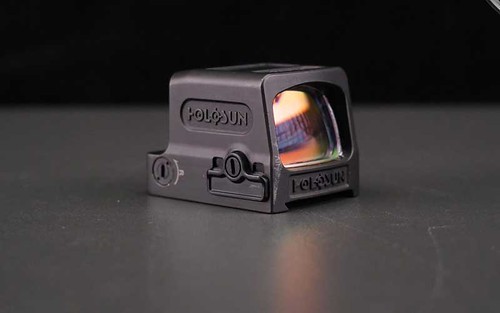
The HOLOSUN 509T is the optic I would choose if I wanted an enclosed emitter on my P226. It is a little bulkier than open-emitter sights, but the sealed design gives me more confidence around rain, dust, sweat, and lint.
Footprint: 509T enclosed optic mounting system
Reticle: Multi-reticle system
Housing: Enclosed-emitter body
Best use: Duty, harsh weather, defensive use
Mounting style: Adapter plate usually required
Pros
Enclosed emitter protects the dot
Durable housing
Good reticle flexibility
Strong choice for adverse conditions
Cons
Taller and bulkier than open optics
Plate selection matters a lot
My personal experience with enclosed pistol optics is that they reduce maintenance anxiety. With the 509T, I do not worry as much about lint or debris blocking the emitter. On a heavier pistol like the P226, the added optic mass feels manageable.
Customer feedback often praises the 509T for durability, reliability in dirty conditions, and reticle options. The main criticism is that mounting can be more complicated than with RMR or DPP-pattern optics.
For mounting, the 509T usually requires a dedicated adapter plate. It does not directly mount to a typical P226 optic cut unless that cut or plate is specifically made for the 509T system. I would use a high-quality steel or aluminum plate and verify screw length carefully.
➤➤➤ Click Here to Check Price on Amazon
➤➤➤ Click Here to Check Price on OpticsPlanet
➤➤➤ Click Here to Check Price on EuroOptic
Leupold Deltapoint Pro
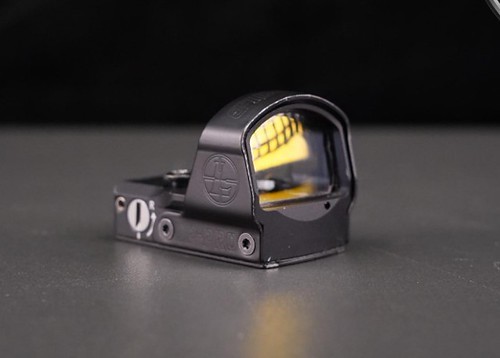
The Leupold Deltapoint Pro is one of my favorite P226 range optics because the window is generous and easy to track. If your priority is speed, visibility, and a clean sight picture, it makes a lot of sense.
Footprint: DeltaPoint Pro
Reticle: Red dot
Housing: Open-emitter design
Best use: Range, competition, defensive training
Battery access: Top-loading battery compartment
Pros
Large, forgiving window
Very fast dot acquisition
Top battery access
Good match for SIG Pro/DPP-style cuts
Cons
Taller than some newer optics
Less compact for concealment
My personal experience with the Deltapoint Pro is that it makes fast shooting feel easy. On the P226, the big window pairs well with the pistol’s soft recoil impulse. I notice the dot returning predictably during controlled pairs and bill drills.
Online customer feedback usually mentions the large window, bright dot, and easy battery access. Some shooters wish it sat lower, especially when trying to co-witness iron sights.
For mounting, the Deltapoint Pro can mount directly to compatible DPP-pattern P226 slides. If your P226 is cut for another footprint, you will need an adapter plate. If your slide is not optic-ready, milling is the cleanest solution.
➤➤➤ Click Here to Check Price on Amazon
➤➤➤ Click Here to Check Price on OpticsPlanet
➤➤➤ Click Here to Check Price on EuroOptic
Sig Sauer Romeo2
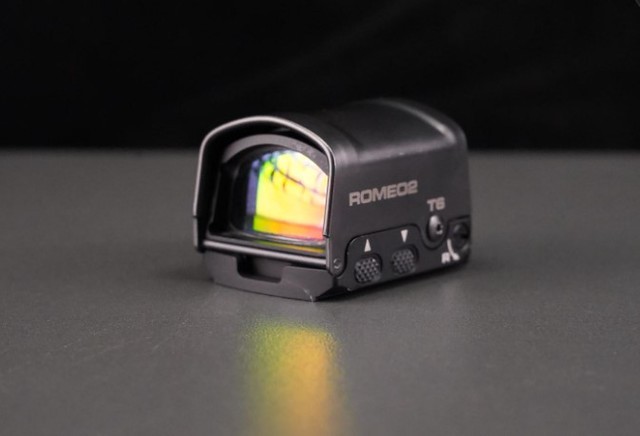
The Sig Sauer Romeo2 is the premium SIG option I would look at for a serious P226 build. It is more expensive, but it gives a modular design that can be configured for different levels of protection.
Footprint: SIG/DPP-style compatibility depending on slide setup
Reticle: Red dot system
Housing: Modular protective shroud design
Best use: Premium defensive build, range, duty-style setup
Mounting style: Direct or plate depending on P226 slide
Pros
Premium SIG-branded option
Modular protective design
Good match for SIG pistols
Durable enough for serious use
Cons
Expensive
Overkill for casual range use
My personal experience with the Romeo2 is that it feels like a more serious, configurable optic than a basic open-emitter sight. On the P226, I like it most for a high-end build where cost is not the first concern. The pistol already has a premium feel, and the Romeo2 matches that character.
Customer feedback tends to praise the Romeo2’s rugged design, glass clarity, and SIG compatibility. The main hesitation is price, especially when compared with the 507C-X2 or RMR Type 2.
For mounting, the Romeo2 may mount directly on compatible SIG optic-ready P226 slides, but exact fit depends on the slide cut and screw pattern. On non-optic P226 models, you will need milling or a dovetail adapter. I would only use a dovetail adapter for casual range use.
➤➤➤ Click Here to Check Price on Amazon
➤➤➤ Click Here to Check Price on OpticsPlanet
➤➤➤ Click Here to Check Price on EuroOptic
How to Choose the Right Red Dot Sight
When I choose a red dot for a SIG Sauer P226, mounting comes first. The P226 has been sold in many configurations, so I always confirm whether the slide is optic-ready, what footprint it uses, and whether the rear sight is part of the optic plate system.
For a defensive P226, I prefer a durable optic with a strong housing, reliable brightness controls, and a simple reticle. The Romeo-X Pro, RMR Type 2, and 509T are my top choices there. For competition or range use, I care more about window size and dot tracking, which makes the Deltapoint Pro and Romeo2 appealing.
Footprint matters more than brand loyalty. A DPP/SIG Pro-style cut is convenient for optics like the Romeo-X Pro and Deltapoint Pro. An RMR-style optic like the Trijicon RMR Type 2 or HOLOSUN 507C-X2 often needs an adapter plate unless the slide is milled for RMR. The 509T usually needs its own dedicated plate.
I also look at deck height. A lower optic is easier to present naturally and may work better with backup irons. A taller optic can still shoot beautifully, but it may require taller sights and more presentation practice.
Finally, I think about how the pistol will be used. For home defense, I want reliability and a reticle I can see quickly. For concealed carry, I want compactness and snag resistance. For range work, I want a large window and easy battery access.
FAQs
What red dot footprint does the SIG Sauer P226 use?
It depends on the exact P226 model and slide. Some optic-ready SIG slides favor a DPP/SIG Pro-style pattern, while other setups require adapter plates for RMR, 509T, or other footprints.
Can I mount a red dot on a non-optic-ready P226?
Yes, but you will need either slide milling or a rear-sight dovetail adapter. I strongly prefer slide milling because it is lower, stronger, and cleaner.
What is the best overall red dot for the P226?
My best overall pick is the Sig Sauer Romeo-X Pro because it balances compatibility, durability, reticle usability, and low-profile handling very well.
Is an enclosed emitter worth it on a P226?
Yes, especially for duty, carry, or bad weather. The HOLOSUN 509T is bulkier than open optics, but the enclosed design helps protect the emitter from lint, rain, and debris.
Do I need suppressor-height sights?
You may need taller sights if you want a co-witness sight picture. The exact height depends on the optic, mounting plate, and slide cut.
Conclusion
The best red dot for a SIG Sauer P226 depends heavily on your slide cut and intended use, but the Sig Sauer Romeo-X Pro is my strongest overall recommendation for 2026. It fits the P226’s role as a premium full-size pistol, keeps the sight picture clean, and works especially well for shooters using compatible SIG optic-ready slides.
For maximum toughness, I would choose the Trijicon RMR Type 2. For the best value, I would pick the HOLOSUN 507C-X2. For an enclosed-emitter setup, the HOLOSUN 509T is the standout. If I were building a range-focused or premium P226, I would also seriously consider the Leupold Deltapoint Pro or Sig Sauer Romeo2.