Top 6 Best Red Dot For Anderson Kiger 9c Pro in 2026
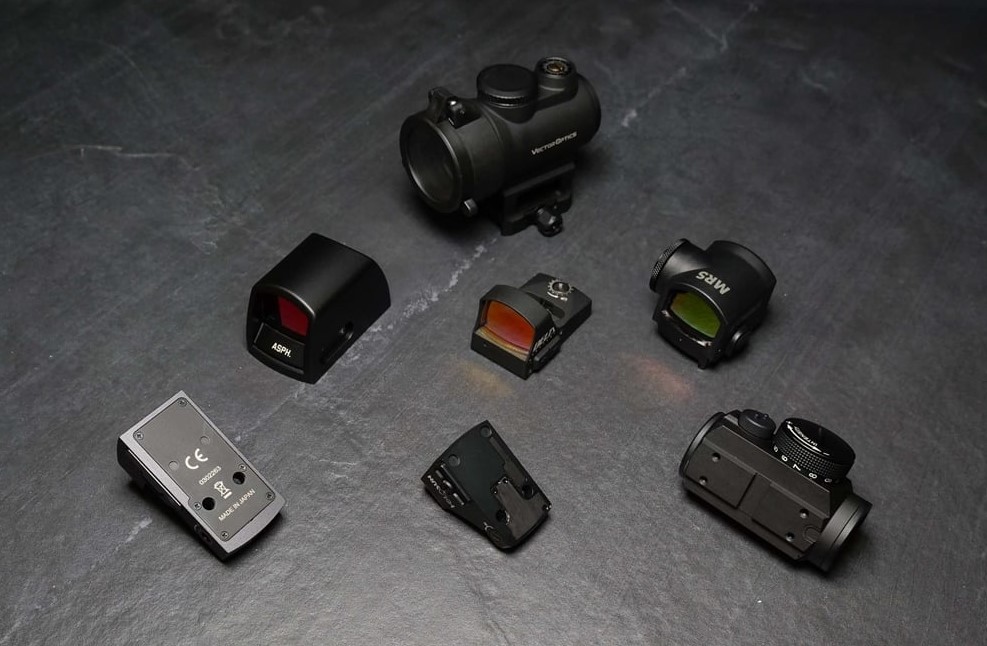
The Anderson Kiger 9c Pro is one of those pistols that makes a red dot feel like a natural upgrade instead of an afterthought. I like it because it gives me a Glock 19-style grip angle, a practical carry size, and an optics-ready slide that works well for defensive training, range work, and everyday carry setups.
For this guide, I focused on red dots that make sense on a Kiger 9c Pro in 2026: durable pistol optics, usable dot sizes, good battery life, proven window designs, and realistic mounting expectations. Since the Kiger 9c Pro uses an RMR-style optics cut, my first choices are optics that fit that pattern directly or work well with the proper adapter plate.
My strongest overall pick is the HOLOSUN 507C-X2 because it gives me the best mix of reticle flexibility, durability, price, and direct RMR-footprint compatibility.
Quick Summary
For most Kiger 9c Pro owners, I would start with the HOLOSUN 507C-X2. It is practical, easy to shoot, and packed with features without feeling oversized on the slide. The Trijicon RMR Type 2 is my pick when ruggedness matters most, while the HOLOSUN 508T is the better choice if you want a stronger titanium-bodied optic. The HOLOSUN 407C-X3 keeps things simple and affordable, the Trijicon SRO is excellent for range speed, and the EOTECH EFLX is a clean option for shooters willing to use an adapter plate.
Top Product List
HOLOSUN 507C-X2 — Best for overall Kiger 9c Pro use
Trijicon RMR Type 2 — Best for maximum durability
HOLOSUN 508T — Best for titanium construction
HOLOSUN 407C-X3 — Best for simple dot-only shooting
Trijicon SRO — Best for range and competition-style shooting
EOTECH EFLX — Best for DPP-footprint preference with adapter
Top 6 Best Red Dot For Anderson Kiger 9c Pro in 2026
HOLOSUN 507C-X2
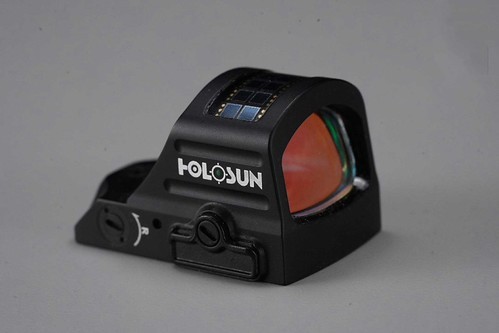
The HOLOSUN 507C-X2 is the red dot I would recommend first for most Anderson Kiger 9c Pro owners. It fits the role of a practical carry optic, training optic, and general-purpose range optic very well. I like that it gives me multiple reticle choices, solar backup, strong battery life, and a familiar RMR-style footprint.
Reticle: Multi-reticle system
Footprint: RMR-style
Window: Open emitter
Battery access: Side-loading battery tray
Best use: Carry, range, home-defense training, general use
Mounting fit: Direct RMR-footprint fit on the Kiger 9c Pro
Pros
Excellent all-around feature set
Multiple reticle options
Direct RMR-style mounting compatibility
Side battery access is convenient
Strong value for the feature package
Cons
Open emitter design can collect lint or debris
Reticle system may be more than some shooters need
Not as bombproof as the toughest premium-duty optics
My personal experience with the HOLOSUN 507C-X2 has been very positive on compact pistols. I like using the circle-dot reticle when I am shooting fast at close range, then switching to a cleaner dot when I want a more precise sight picture. On a pistol like the Kiger 9c Pro, the window feels large enough without making the gun top-heavy.
Online customer feedback usually praises the 507C-X2 for its value, reticle flexibility, battery life, and easy zeroing. The most common complaints I see are about people needing to learn the button system or preferring a simpler single-dot optic.
For mounting, the HOLOSUN 507C-X2 is one of the easiest recommendations because it uses an RMR-style footprint. On the Anderson Kiger 9c Pro, it should mount directly to the RMR-cut slide with the correct screws. I still always check screw length, thread engagement, and whether the optic sits fully flat before applying torque.
➤➤➤ Click Here to Check Price on Amazon➤➤➤ Click Here to Check Price on OpticsPlanet➤➤➤ Click Here to Check Price on EuroOptic
Trijicon RMR Type 2
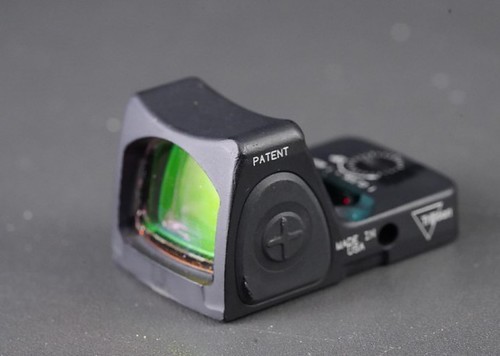
The Trijicon RMR Type 2 is the optic I pick when ruggedness is the main priority. It is not the newest-feeling red dot in terms of controls or window size, but it has a long reputation for surviving hard pistol use. On the Kiger 9c Pro, it feels like a serious defensive setup.
Reticle: Red dot
Footprint: RMR-style
Window: Open emitter
Housing: Rugged forged-style design
Best use: Duty-style carry, defensive training, hard-use pistols
Mounting fit: Direct RMR-footprint fit on the Kiger 9c Pro
Pros
Excellent durability reputation
Direct RMR-style mounting compatibility
Compact and carry-friendly shape
Proven defensive optic design
Strong aftermarket support
Cons
Smaller window than some newer optics
Battery changes may require removing the optic
Usually costs more than many feature-rich alternatives
My personal experience with the RMR Type 2 is that it rewards consistency. The window is not huge, so my presentation has to be clean, but once I build that draw stroke, the dot is fast and dependable. I like it most on a Kiger 9c Pro that is set up for concealed carry or defensive practice.
Customer feedback tends to focus on reliability, ruggedness, and confidence. People often buy it because they want a proven optic rather than the longest feature list. The complaints are usually about price, battery access, and the smaller viewing window compared with optics like the SRO or 507C-X2.
For mounting, the Trijicon RMR Type 2 is a direct-fit optic for an RMR-cut Kiger 9c Pro. It should not need an adapter plate if the slide cut is a standard RMR pattern. I still verify screw length carefully because overly long screws can cause problems on pistol slides.
➤➤➤ Click Here to Check Price on Amazon➤➤➤ Click Here to Check Price on OpticsPlanet➤➤➤ Click Here to Check Price on EuroOptic
HOLOSUN 508T
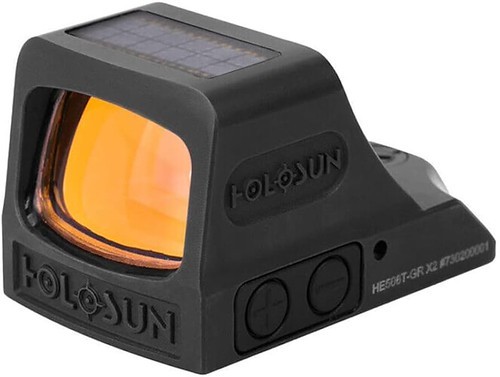
The HOLOSUN 508T is my pick when I want Holosun features in a tougher housing. It gives me a similar practical shooting experience to the 507C-style optics, but with a stronger titanium body and a more squared-off profile. On the Kiger 9c Pro, it feels like a premium carry and training optic.
Reticle: Multi-reticle system
Footprint: RMR-style
Window: Open emitter
Housing: Titanium-style construction
Best use: Hard-use carry, training, premium Holosun setup
Mounting fit: Direct RMR-footprint fit on the Kiger 9c Pro
Pros
Strong housing construction
Direct RMR-style mounting compatibility
Multi-reticle flexibility
Good balance of size and durability
Practical for carry and training
Cons
More expensive than the 407C and 507C options
Open emitter design still needs occasional cleaning
Squared housing may look bulky to some shooters
My personal experience with the 508T is that it feels like the optic I would choose when I want the 507C-X2’s usefulness with a little more toughness. The window tracks well during recoil, and I like the reticle options for quick shooting. On the Kiger 9c Pro, it gives the pistol a serious, durable feel without going to a giant optic.
Online feedback is generally strong around durability, reticle options, and value compared with some premium-duty optics. Some shooters still prefer the RMR Type 2 for a defensive pistol, while others think the 508T gives them more modern features for the money.
For mounting, the HOLOSUN 508T uses an RMR-style footprint, so it should mount directly to the Kiger 9c Pro’s RMR-cut slide. As with any pistol optic, I confirm screw depth and use proper torque rather than assuming the included screws are automatically correct.
➤➤➤ Click Here to Check Price on Amazon➤➤➤ Click Here to Check Price on OpticsPlanet➤➤➤ Click Here to Check Price on EuroOptic
HOLOSUN 407C-X3
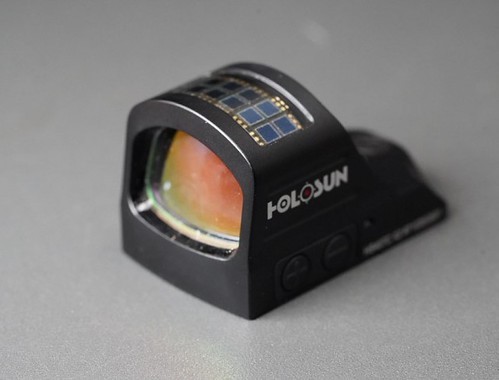
The HOLOSUN 407C-X3 is the option I like for shooters who do not want extra reticle choices. It keeps the setup simple: a clean dot, a practical footprint, and the same general size class that works well on a compact pistol like the Anderson Kiger 9c Pro.
Reticle: Single red dot
Footprint: RMR-style
Window: Open emitter
Battery access: Side-loading battery style
Best use: Budget-conscious carry and range use
Mounting fit: Direct RMR-footprint fit on the Kiger 9c Pro
Pros
Simple dot-only setup
Direct RMR-style mounting compatibility
Usually more affordable than multi-reticle models
Easy to use on a compact pistol
Good choice for newer red dot shooters
Cons
No circle-dot reticle option
Not as feature-rich as the 507C-X2
Open emitter needs routine inspection for lint and debris
My personal experience with single-dot optics like the 407C-X3 is that they keep me honest. I do not have to think about reticle modes or extra settings. I bring the pistol up, find the dot, and shoot. On the Kiger 9c Pro, that simplicity makes sense for someone who wants a reliable range and carry optic without paying for features they may not use.
Customer feedback usually highlights the 407C-style optics as practical, dependable, and easy to learn. Many shooters like that they get Holosun’s useful design without needing to spend extra for reticle features they do not care about.
For mounting, the HOLOSUN 407C-X3 uses an RMR-style footprint and should mount directly to the Kiger 9c Pro’s RMR-cut slide. I would not use a plate unless a specific slide or screw issue requires one. The key is making sure the optic is seated flat and the screws are the correct length.
➤➤➤ Click Here to Check Price on Amazon➤➤➤ Click Here to Check Price on OpticsPlanet➤➤➤ Click Here to Check Price on EuroOptic
Trijicon SRO
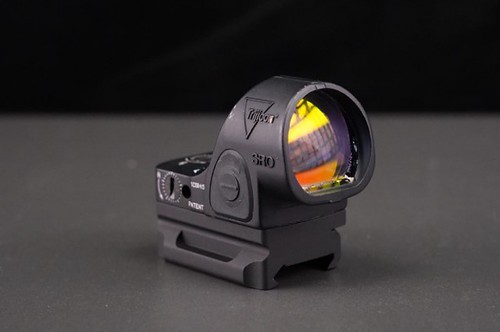
The Trijicon SRO is the red dot I would choose for a Kiger 9c Pro that spends more time at the range than concealed under a cover garment. The big round window is the main attraction. It makes dot tracking easier and gives me a very open sight picture during faster strings of fire.
Reticle: Red dot
Footprint: RMR-style
Window: Large open emitter
Best use: Range shooting, competition-style practice, fast target transitions
Mounting fit: Direct RMR-footprint fit on the Kiger 9c Pro
Carry role: Possible, but better suited to range-focused setups
Pros
Large, easy-to-find window
Excellent for fast shooting
Direct RMR-style mounting compatibility
Clean sight picture
Great for range and competition-style use
Cons
Less compact than the RMR Type 2
More exposed front lens design
Not my first choice for rough concealed carry
My personal experience with the SRO is that it makes shooting a pistol red dot feel easier, especially during recoil. When I am working transitions or shooting faster drills, the dot is easier to pick back up than on smaller-window optics. On the Kiger 9c Pro, it turns the pistol into a very fun range setup.
Online customer feedback often praises the SRO’s large window, speed, and clean view. The common concern is that it is not as protected as the RMR Type 2 for heavy-duty carry or impact-prone use. That matches how I see it: excellent for performance, not my top pick for abuse.
For mounting, the Trijicon SRO uses the RMR-style footprint, so it should mount directly to the Kiger 9c Pro’s RMR cut. No adapter plate should be needed for a standard RMR-pattern slide cut, but I would still check clearance, screw length, and ejection-port overhang before final setup.
➤➤➤ Click Here to Check Price on Amazon➤➤➤ Click Here to Check Price on OpticsPlanet➤➤➤ Click Here to Check Price on EuroOptic
EOTECH EFLX
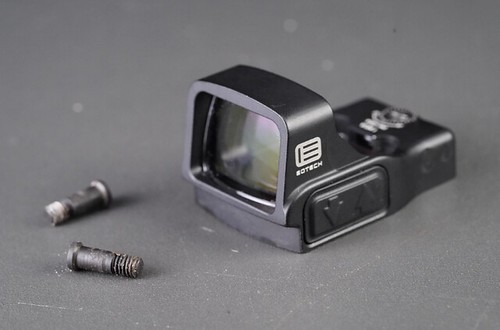
The EOTECH EFLX is the option I would consider if I specifically wanted an EOTECH pistol dot or preferred a DPP-style optic layout. It has a clean window, straightforward controls, and a simple shooting feel. For the Anderson Kiger 9c Pro, the important detail is mounting: this is not my direct-fit RMR choice.
Reticle: Red dot
Footprint: DeltaPoint Pro-style
Window: Open emitter
Best use: Range, carry with the correct plate, shooters who prefer EOTECH controls
Mounting fit: Requires adapter or mounting plate for the Kiger 9c Pro
Direct RMR fit: No
Pros
Clean sight picture
Simple controls
Good option for DPP-footprint preference
Recognizable EOTECH design approach
Works well when properly plated
Cons
Not a direct RMR-footprint fit
Requires an adapter plate on the Kiger 9c Pro
Plate height may affect co-witness and sight picture
My personal experience with the EFLX-style setup is that I like the viewing window and straightforward operation, but I only recommend it for the Kiger 9c Pro if the shooter is comfortable adding a plate. On a pistol with a native RMR cut, I usually prefer direct-mount optics first. Still, with the right plate and screws, the EFLX can be a solid shooter.
Customer feedback usually focuses on the clean glass, easy controls, and simple red-dot experience. The biggest criticism is usually not the shooting experience itself, but compatibility: buyers need to understand the footprint before ordering.
For mounting, the EOTECH EFLX does not mount directly to the Anderson Kiger 9c Pro’s RMR-style cut. It requires a compatible RMR-to-DPP adapter plate or another correct mounting solution. I would choose a quality steel or aluminum plate, confirm screw length on both the slide and optic side, and re-zero after installation.
➤➤➤ Click Here to Check Price on Amazon➤➤➤ Click Here to Check Price on OpticsPlanet➤➤➤ Click Here to Check Price on EuroOptic
How to Choose the Right Red Dot Sight
When I choose a red dot for the Anderson Kiger 9c Pro, the first thing I look at is footprint. The pistol is best matched with RMR-footprint optics, so I prefer direct-mount choices like the HOLOSUN 507C-X2, HOLOSUN 508T, HOLOSUN 407C-X3, Trijicon RMR Type 2, and Trijicon SRO. Direct mounting usually keeps the optic lower, reduces extra parts, and gives me a cleaner setup.
The second thing I consider is the pistol’s purpose. For concealed carry, I like compact and rugged optics such as the RMR Type 2 or 507C-X2. For range-heavy shooting, I enjoy larger-window optics like the Trijicon SRO. For a simple budget-minded setup, I would choose the 407C-X3.
Window size also matters. A larger window can make the dot easier to track, especially when I am shooting fast. A smaller window can carry better and resist snagging more easily. The Kiger 9c Pro is compact enough for carry but large enough for serious range work, so either approach can make sense.
Reticle style is another personal choice. I like circle-dot reticles for speed, but a single dot is cleaner and less distracting. If you are new to pistol dots, I would not overthink it. A crisp dot, a proper zero, and regular dry-fire practice matter more than having every feature available.
Finally, I pay close attention to screws, torque, thread locker, and zero confirmation. Even the best red dot can fail if it is installed poorly. I always check that the optic sits flat, the screws do not bottom out, and the dot holds zero after live fire.
FAQs
What red dot footprint does the Anderson Kiger 9c Pro use?
The Anderson Kiger 9c Pro is best paired with RMR-footprint optics. That is why I prefer direct-fit choices like the HOLOSUN 507C-X2, HOLOSUN 508T, HOLOSUN 407C-X3, Trijicon RMR Type 2, and Trijicon SRO.
What is the best overall red dot for the Anderson Kiger 9c Pro?
My overall pick is the HOLOSUN 507C-X2. It gives me the best balance of price, features, reticle flexibility, battery access, and direct RMR-footprint compatibility.
Does the Trijicon RMR Type 2 fit the Kiger 9c Pro directly?
Yes, the Trijicon RMR Type 2 uses an RMR-style footprint, so it is one of the most natural direct-fit choices for the Kiger 9c Pro. I still recommend checking screw length before final installation.
Is the Trijicon SRO good for concealed carry on the Kiger 9c Pro?
It can work, but I prefer the SRO for range and competition-style shooting. Its large window is excellent for speed, but I would choose the RMR Type 2 or 507C-X2 first for a harder-use carry setup.
Do I need an adapter plate for the EOTECH EFLX?
Yes. The EOTECH EFLX is not a direct RMR-footprint optic, so it requires a compatible adapter or mounting plate to work on the Anderson Kiger 9c Pro.
Conclusion
After comparing the best red dots for the Anderson Kiger 9c Pro in 2026, my top overall choice is the HOLOSUN 507C-X2. It gives me the best blend of direct-fit compatibility, reticle flexibility, durability, and value. If I wanted the toughest defensive optic, I would choose the Trijicon RMR Type 2. If I wanted a stronger Holosun body, I would go with the HOLOSUN 508T. For simple dot-only shooting, the HOLOSUN 407C-X3 makes a lot of sense, while the Trijicon SRO is the most enjoyable range-focused optic on this list. The EOTECH EFLX is a good option only if you are comfortable using the proper adapter plate.
For my own Kiger 9c Pro, I would mount the HOLOSUN 507C-X2 first, zero it carefully, and put most of my effort into dry-fire presentation and live-fire confirmation. That combination gives me the most practical performance for the money.